

Sérgio Ricardo
Known For
Acting
Gender
Male
Birthday
Jun 18, 1932 (94 years old)
Place of Birth
Marília, São Paulo, Brazil
Biography
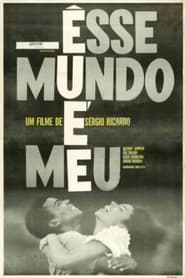
João Lutfi (18 June 1932 – 23 July 2020), known professionally as Sérgio Ricardo, was a Brazilian actor, musician, playwright and filmmaker, better known for being responsible for the soundtrack of Glauber Rocha's "Deus e o Diabo na Terra do Sol" ("Black God, White Devil"). Born in a Lebanese-Brazilian family in Marília, São Paulo, and brother to famed director of photography Dib Lutfi, João got his stage name from TV businessmen who wanted to rebrand him as a leading man with an iconic name during his early gigs as an actor. He's maily associated with the Cinema Novo (Brazilian New Wave) movement, but stayed active until 2018. During the Cinema Novo days, Ricardo directed short film "Menino da Calça Branca" (1961) and "Esse Mundo É Meu" (1963), his feature-length debut. Among other notorious works in his career as a filmmaker is "A Noite do Espantalho", which shows Ricardo's talent as a polymath by mixing filmmaking with folk music and other elements of Brazilian popular culture, such as "cordel" literature. Ricardo moved to the Vidigal slum, in Rio de Janeiro, by choice in the 1970s, where he lived until his death in 2020. "Bandeira de Retalhos" (2018), his last film, was adapted by a theatre play also written by him and chronicles the life in 1970s Vidigal.
Known For









| 2024 | Sérgio Ricardo: Uma Outra História do Cinema Novo | |
| 2023 | Favela do PapaSelf | |
| 2022 | O Canto Livre de Nara LeãoSelf (voice) | |
| 2020 | Sérgio Ricardo AKA João LutfiSelf | |
| 2019 | Na Rota do Vento | |
| 2018 | Bandeira de RetalhosVoz Bipe | |
| 2016 | PitangaSelf | |
| 2014 | Pé Sem Chão | |
| 2014 | Calabouço 1968 - Um tiro no coração do BrasilEle mesmo | |
| 2012 | Two RabbitsCapanga do Robério 1 | |
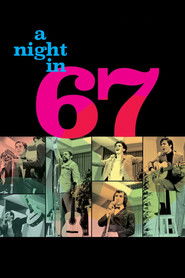
| 2010 | A Night in 67Self | |
| 2008 | MilagrezSelf | |
| 2007 | O Som do VinilSelf | |
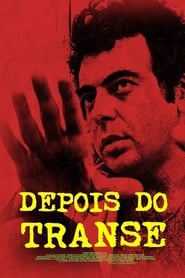
| 2006 | Depois do TranseSelf | |
| 2005 | Coisa Mais Linda - Histórias e Casos da Bossa NovaSelf | |
| 2005 | Descobrindo WaltelEle mesmo | |
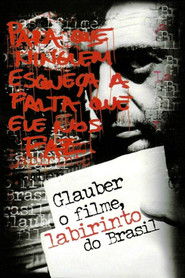
| 2003 | Glauber Rocha - The Movie, Brazil's LabyrinthSelf / Interviewee | |
| 2003 | Enquanto a Tristeza não Vem | |
| 1999 | Zelão | |
| 1997 | DibSelf | |
| 1984 | Para Viver Um Grande AmorCarioca (voz cantando) | |
| 1983 | Parabéns pra VocêCarlinhos | |
| 1976 | Un animal doué de déraison | |
| 1970 | O Tempo e o SomSelf | |
| 1964 | Esse Mundo é MeuPedro | |
| 1962 | Menino da Calça Branca | |
| 1962 | Pluft, o Fantasminha | |
| 1957 | Pé na Tábua |
| 1964 | Esse Mundo é MeuProducer |
| 2018 | Bandeira de RetalhosDirector | |
| 2014 | Pé Sem ChãoDirector | |
| 1999 | ZelãoDirector | |
| 1974 | The Night of the ScarecrowDirector | |
| 1970 | Lost Love JulianaDirector | |
| 1964 | Esse Mundo é MeuDirector | |
| 1962 | Menino da Calça BrancaDirector |
| 2018 | Bandeira de RetalhosScreenplay | |
| 2014 | Pé Sem ChãoScreenplay | |
| 1999 | ZelãoWriter | |
| 1974 | The Night of the ScarecrowStory | |
| 1974 | The Night of the ScarecrowScreenplay | |
| 1970 | Lost Love JulianaScreenplay | |
| 1964 | Esse Mundo é MeuScreenplay | |
| 1962 | Menino da Calça BrancaWriter |
| 1969 | Antonio das MortesAdditional Music |