

Ahmed Benaissa
Known For
Acting
Gender
Male
Birthday
Mar 2, 1944 (82 years old)
Place of Birth
Tlemcen, Algeria
Biography
Ahmed Benaïssa (in Arabic: أحمد بن عيسى), born March 2, 1944 in Algiers and died May 20, 2022 in Cannes, is a Franco-Algerian actor. As a child, Ahmed Benaïssa was fascinated by the religious festivals of Nédroma where he spent his summer holidays and at the age of 9, in Mazouna, he played in front of another kid's 9.5mm camera for 1mn30! The magic of the show leads him to make his own cinema with cardboard. He joined his father in Paris who had retreated there after his release following independence activities in Algeria. In Oise, at the college boarding school, he became a designated projectionist. In 1960-61, he was in Lyon, aged 17, and frequented the local artistic scene at the Théâtre de la Cité. There he attended the Al Capone show, directed by Planchon. It's dazzling. When Algeria gained independence in 1962, the Lyon consulate included him in an animation course for compatriots from Algeria, then returned to Algeria, to Sidi Bel Abbès, where he entered the conservatory municipal then led by Saïm El Hadj. In July 1964, on a family visit to Algiers, he convinced Bénaïssa Boudia and Mustapha Kateb to join a training course for conservatory graduates at the initiative of the TNA (Algerian National Theater). After six months of training, he was ranked first in each discipline. Its first distribution was under the leadership of Alloula in 1966/67 in Monnaies D’Or. It will be breathtaking there. The TNA sent him to an advanced training course in France, then he moved on to the International Theater Institute. In 1968, he was in the Perennetti and Jean Marie Serreau troupe touring across Europe. Bulimic, he will do café theater and cinema. In 1971, he returned to Algeria, and discovered a theater in decline, emptied of its substance and devoted to propaganda. He distanced himself after three years on stage, and headed towards cinema, then in full development in Algeria. For ten years, he appeared on the big and small screens. In 1985, he returned to the theater, then in a context of "text crisis" like the country at that time. He became a director, first of a children's theater with a superb Kalila or Dimna. In 1996, he directed the Sidi Bel Abbès Theater, then in a lethargic situation since Kateb Yacine was no longer there. He injects new blood with talented young local artists: Abbar Azzedine, Yahia Benamar, Niddal el Mellouhi and others. He will return to TNA. His most beautiful creation was El Maghara El Mounfajira in 2007 based on La Grotte Éclatée by Yamina Méchakra adapted by Haïder Benhassine. Over two decades, he put on shows where he trained comedians in the acting profession. In the cinema, in France and in Europe, we continue to call on Ahmed for his "mouth", his precision and his talent. On May 20, 2022 at 4:30 a.m., Ahmed Benaïssa died at the age of 78, in full promotion of the film Goutte d'or at the 2022 Cannes festival, of a pulmonary embolism in his sleep in a hospital in Cannes where he had been evacuated after feeling unwell. He is buried in the El-Alia cemetery in Algiers.
Known For
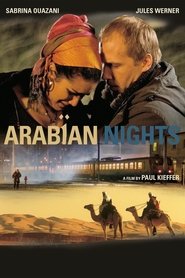
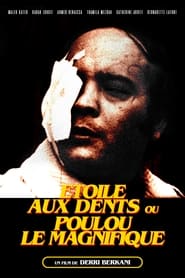
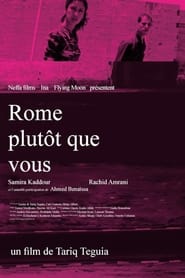
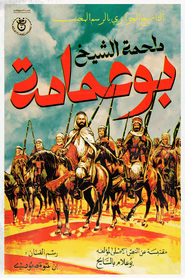



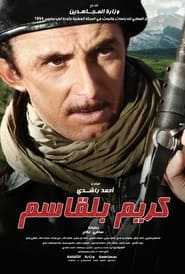

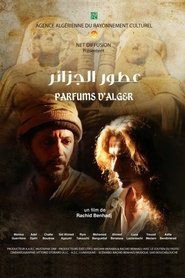
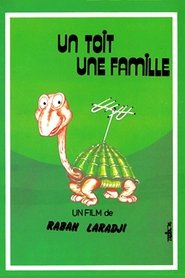
| 2026 | The ArabHaroun | |
| 2023 | HabibHabib's father | |
| 2023 | Sons of RamsesYounes | |
| 2019 | PapichaHafid | |
| 2019 | Wlad LahlalThe father of Marzaq, Zino and Yahya | |
| 2018 | Close EnemiesRaji, "godfather" of the estate | |
| 2017 | Ismael's GhostsFarias | |
| 2016 | My RevolutionRida | |
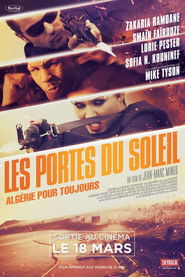
| 2015 | Gates of the SunMohamed | |
| 2015 | Parfums d'Alger | |
| 2014 | Krim Belkacem | |
| 2014 | Mista | |
| 2013 | Harraga Blues | |
| 2013 | Sotto Voce | |
| 2010 | Outside the LawFather | |
| 2010 | The Last Passenger | |
| 2008 | Mostefa Ben Boulaïd | |
| 2008 | InlandLakhdar | |
| 2007 | Arabian NightsSheperd | |
| 2007 | MorituriCommissioner Dine | |
| 2007 | Délice PalomaMonsieur Bellil | |
| 2006 | Rome Rather Than YouPoliceman | |
| 2003 | Rumeur, etc. | |
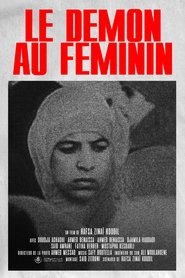
| 1994 | The Female Demon | |
| 1994 | Bab El Oued CityThe Imam | |
| 1989 | Le ClandestinThe Sheriff | |
| 1985 | The Epic of Cheikh Bouamama | |
| 1982 | One Roof, One Family | |
| 1980 | Kahla wa BaydaRago | |
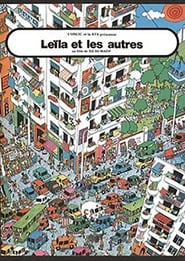
| 1977 | Leila and the Others | |
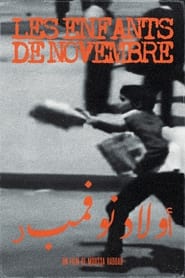
| 1975 | Les Enfants de Novembre | |
| 1971 | Étoile aux dents ou Poulou le magnifiqueJibé | |
| 1965 | La Tragédie du Roi ChristopheJuan de Dios-Martial Besse |