

Mieko Takamine
Known For
Acting
Gender
Female
Birthday
Dec 2, 1918 (107 years old)
Place of Birth
Tokyo, Japan
Biography
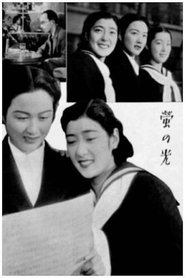
Mieko Takamine (高峰三枝子, Takamine Mieko) (2 December 1918 – 27 May 1990) was a Japanese actress and singer. Mieko Takamine was born the eldest daughter of famous chikuzen biwa player and teacher Chikufu Takamine. She gave her acting debut in the 1936 film Kimi yo takarakani utae, produced by the Shochiku studios, to which she would remain affiliated throughout her career, although she would also occasionally appear in productions of other companies after the war. Her first released record as a singer was the theme song for the film Hotaru no hikari (1938), and she soon established herself as a "singing movie star". Takamine starred in films of Japan's most notable directors, including Hiroshi Shimizu, Yasujirō Ozu, Mikio Naruse and Keisuke Kinoshita. In 1976, Takamine won the Best Supporting Actress award at the 19th Blue Ribbon Awards for her role in The Inugamis (1976). In 1985, she was awarded the Medal of Purple Ribbon and a special Mainichi Film Award for her longtime achievements as a performer
Known For

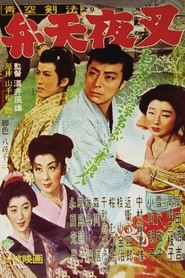
| 1990 | Flower Season | |
| 1989 | Four Days of Snow and BloodHaruko Saito | |
| 1988 | Memories of You | |
| 1984 | Appassionata | |
| 1983 | Furuya Ikkou's Great Detective Kindaichi Kousuke SeriesItoko Ichiyanagi | |
| 1983 | Furuya Ikkou's Great Detective Kindaichi Kousuke SeriesMatsuyo Tokiwa | |
| 1980 | An Ocean to CrossYoroshime | |
| 1980 | The S.S. Happiness Sets Sail | |
| 1979 | The Shogun Assassins | |
| 1978 | Queen BeeTakako Higashikoji | |
| 1978 | The PhoenixQueen Himiko of Yamatai | |
| 1978 | Ningen no Shōmei | |
| 1977 | Aspiration | |
| 1976 | The Inugami FamilyMatsuko Inugami | |
| 1973 | Rebellion RewardYoshie | |
| 1969 | Futari no Koibito | |
| 1968 | The Sands of Kurobe | |
| 1967 | Pomegranate TimeNobuko Sakamoto | |
| 1967 | Aruhi watashi wa | |
| 1967 | Let Us Love | |
| 1967 | Lover's Duet | |
| 1967 | 女たちの庭石塚綾子 | |
| 1965 | Song of FarewellHaruko Nomura | |
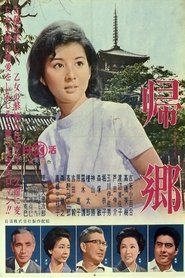
| 1964 | Homecoming守屋節子 | |
| 1964 | Here Because of You | |
| 1963 | Bright SeaYukiko Ishida | |
| 1963 | The Image of MotherOhama | |
| 1963 | The Incorrigible | |
| 1963 | At the Side of the Bridge 3 | |
| 1963 | 恋と出世に強くなれ!牧野春代 | |
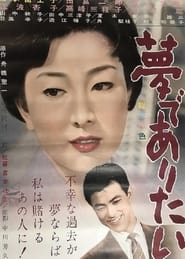
| 1962 | Yume de aritai | |
| 1962 | Red Bud and White Flower | |
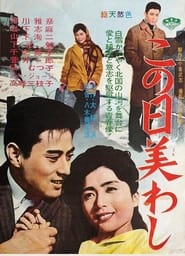
| 1962 | Kono ni uruwashi | |
| 1962 | Love Under the CrucifixRiki | |
| 1962 | San'nin musume kanpai! | |
| 1962 | At the Side of the Bridge 2 | |
| 1962 | Naite waratta hanayome | |
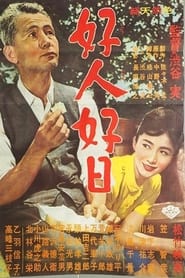
| 1961 | A Good Man, A Good Day | |
| 1961 | Love's Family Tree | |
| 1961 | Marriageable Age | |
| 1960 | Castle of Flames | |
| 1959 | Tokyo Omnibus | |
| 1958 | Points and LinesRyoko | |
| 1958 | Man of Thirteen Eyes | |
| 1958 | Denshichi Torimonocho: Mad Skullwoman | |
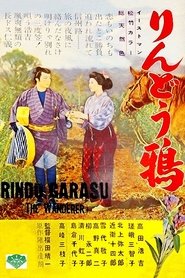
| 1957 | The Wanderer | |
| 1957 | Utau yajikita kogane dōchū | |
| 1957 | Elegy of the NorthAkiko Katsuragi | |
| 1957 | Street of Ronin | |
| 1957 | A Rainbow Plays in My Heart: Part 2Yoshie Kono | |
| 1957 | A Rainbow Plays in My Heart: Part 1 | |
| 1956 | A Samurai's Honor at Pawn | |
| 1956 | Eyes of Children | |
| 1956 | Summer in EclipseSetsuko | |
| 1956 | Three Youngmen and a Dream GirlDancer Takai | |
| 1956 | The Lady Was Pawn | |
| 1955 | Ejima and Ikushima月光院 | |
| 1955 | Fantasy of Youth | |
| 1955 | The Road to the SpringHatano Tsuneko | |
| 1954 | 一本刀土俵入 | |
| 1954 | The Garden of WomenMayumi Gojo | |
| 1954 | Bored Hatamoto: The Mysterious Phantom Mansion | |
| 1954 | Sazen Tange: The Monkey Pot | |
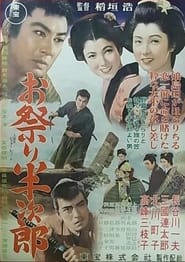
| 1953 | Omatsuri hanjiro | |
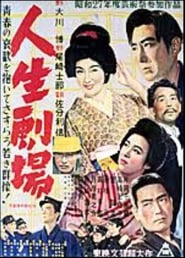
| 1953 | Jinsei Gekijo: dai ni bu | |
| 1953 | 憧れの星座 | |
| 1953 | WifeMihoko Nakagawa | |
| 1953 | Dreaming People | |
| 1952 | Jinsei Gekijo: dai ichi bu | |
| 1952 | 治郎吉格子お仙 | |
| 1952 | Kare o korosu na | |
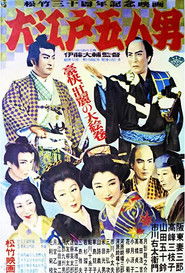
| 1951 | Five Men of EdoOkinu | |
| 1951 | Dancing GirlNamiko | |
| 1951 | Freedom School | |
| 1951 | Minami kaze | |
| 1951 | Who Knows a Woman's Heart | |
| 1951 | Elegy | |
| 1951 | Ah, Youth | |
| 1950 | When We Came Back | |
| 1950 | Escape from PrisonKayo | |
| 1950 | Omoide no borero | |
| 1950 | Rumba of Passion | |
| 1949 | A Woman's Fight | |
| 1949 | Farewell TangoHanamura Emiko | |
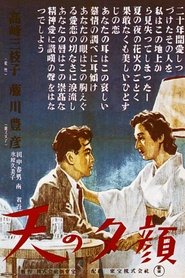
| 1948 | The Beauty of the Evening Sky | |
| 1947 | Rira no hana wasureji | |
| 1947 | Koyoi Tsuma to Narinu | |
| 1947 | Once MoreAkiko | |
| 1946 | Waiting Woman | |
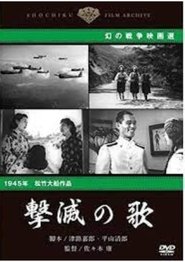
| 1945 | Gekimetsu no uta桜井千鶴 | |
| 1945 | Theater | |
| 1945 | Ikeru isu | |
| 1945 | A New Breeze | |
| 1945 | Victory SongNobue | |
| 1943 | Air Raid of the Enemy PlaneSetsuko Ueno | |
| 1942 | South Wind | |
| 1942 | Moon of the Plateau | |
| 1942 | South Wind 2 | |
| 1942 | Dance of the Capital | |
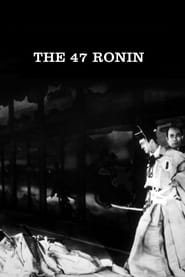
| 1941 | The 47 RoninOmino | |
| 1941 | Brothers and Sisters of the Toda FamilySetsuko Toda | |
| 1941 | The Flower is not False | |
| 1941 | Let's Go in Good Spirits | |
| 1940 | Nobuko | |
| 1939 | Lovers' DuetEiko Takayama | |
| 1939 | Warm CurrentKeiko Shima | |
| 1938 | Hotaru no hikari | |
| 1938 | So Goes My LoveToshiko, Shigeo's sisiter | |
| 1938 | The Masseurs and a WomanMichiho Misawa | |
| 1937 | The Trio's EngagementsReiko Kageyama | |
| 1937 | The Lights of AsakusaReiko Kosugi | |
| 1937 | The Golden DemonToshiko Minowa | |
| 1937 | Renai muteki kantai | |
| 1937 | Vermilion and Green | |
| 1937 | Moon Over the RuinsOmitsu |