

Francis Lederer
Known For
Acting
Gender
Male
Birthday
Nov 5, 1899 (126 years old)
Place of Birth
Prague, Bohemia, Austria-Hungary [now Czech Republic]
Biography
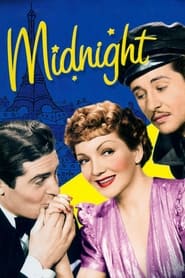
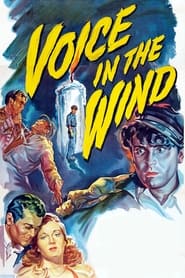
From Wikipedia, the free encyclopedia. Francis Lederer (November 6, 1899 – May 25, 2000) was a Czech-born film and stage actor with a successful career, first in Europe, then in the United States. His original name was František Lederer. Lederer's first American movies were Man of Two Worlds (1934), Romance in Manhattan (1934), with Ginger Rogers, The Gay Deception (1935), with Frances Dee, and One Rainy Afternoon (1936). He was cast as the lead with Katharine Hepburn in the 1935 film Break of Hearts, but the producers replaced him with Charles Boyer. It was Irving Thalberg's plan to make Lederer "the biggest star in Hollywood" but the death of Thalberg ended this possibility. Although he continued to play leads occasionally – notably when he was a playboy in Mitchell Leisen's Midnight with Claudette Colbert and John Barrymore in 1939 – in the late 1930s Lederer began to expand his character parts, even playing villains. Edward G. Robinson praised Lederer's performance as a German American Bundist in Confessions of a Nazi Spy in 1939, and he earned plaudits for his portrayal of a fascist in The Man I Married (1940) with Joan Bennett. He also played Count Dracula for The Return of Dracula in 1958. Throughout his career, Lederer, who studied with Elia Kazan at the Actors Studio in New York City, continued to take stage acting seriously, and he performed often both in New York and elsewhere. He appeared in stage productions of Golden Boy (1937), Seventh Heaven (1939), No Time for Comedy (1939), in which he replaced Laurence Olivier, The Play's the Thing (1942), A Doll's House (1944), Arms and the Man (1950), The Sleeping Prince (1956) and The Diary of Anne Frank (1958). Although he took a break from making films in 1941, in order to concentrate on his stage work, he returned to the silver screen in 1944, appearing in Voice in the Wind and The Bridge of San Luis Rey, and in films such as Jean Renoir's The Diary of a Chambermaid (1946) and Million Dollar Weekend (1948). He took another break from Hollywood in 1950, after making Surrender (1950), and returned in 1956 with Lisbon and the light comedy The Ambassador's Daughter. His final film appearance was in Terror Is a Man in 1959. During the 1950s, he served as honorary mayor of Canoga Park. He would continue to make television appearances for the next 10 years in such shows as Sally, The Untouchables, Ben Casey, Blue Light, Mission: Impossible and That Girl. His final television appearance occurred in a 1971 episode of Rod Serling's Night Gallery called "The Devil Is Not Mocked". In it, he reprised his role as Dracula from The Return of Dracula.
Known For

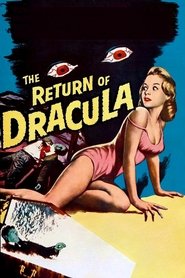
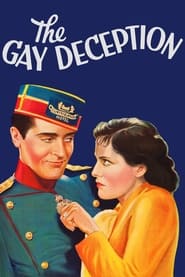


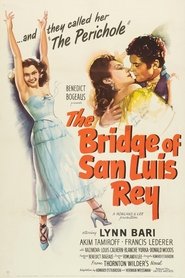
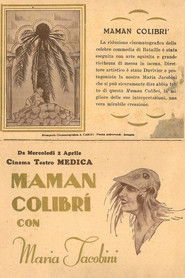
| 2009 | 1939: Hollywood's Greatest YearSelf (archive footage) | |
| 1996 | A Century of Science FictionSelf | |
| 1992 | Dracula in the Movies | |
| 1991 | The Other EyeSelf | |
| 1991 | Dracula: A Cinematic ScrapbookCount Dracula (archive footage) | |
| 1976 | Memories of Berlin: The Twilight of Weimar CultureSelf - Interviewee | |
| 1975 | Film Emigration from Nazi GermanySelf | |
| 1970 | Night Gallery | |
| 1966 | That GirlVittorio Barrini | |
| 1966 | Mission: ImpossibleSenko Brobin | |
| 1966 | Blue Light | |
| 1963 | Kraft Suspense TheatreDr. Jeremias Lipp | |
| 1961 | Ben Casey | |
| 1959 | Terror Is a ManDr. Charles Girard | |
| 1958 | The Return of DraculaCount Dracula | |
| 1958 | MaracaiboMiguel Orlando | |
| 1958 | Behind Closed DoorsBrauer | |
| 1956 | LisbonSeraphim | |
| 1956 | The Ambassador's DaughterPrince Nicholas Obelski | |
| 1955 | Matinee Theater | |
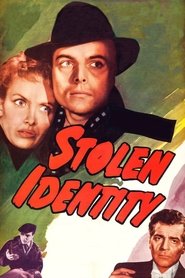
| 1953 | Stolen IdentityClaude Manelli | |
| 1952 | Adventures in ViennaClaude Manelli | |
| 1951 | Schlitz Playhouse of Stars | |
| 1950 | Captain Carey, U.S.A.Baron Rocco de Greffi | |
| 1950 | A Woman of DistinctionPaul Simone | |
| 1950 | SurrenderHenry Vaan | |
| 1950 | Lux Video TheatreCharles | |
| 1950 | Robert Montgomery PresentsBaron | |
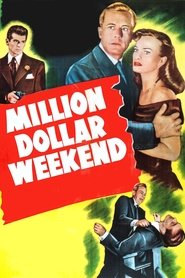
| 1948 | Million Dollar WeekendAlan Marker | |
| 1948 | Studio OneRene d'Arcy | |
| 1948 | The Philco Television Playhouse | |
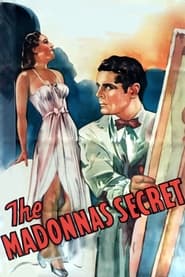
| 1946 | The Madonna's SecretJames Harlan Corbin | |
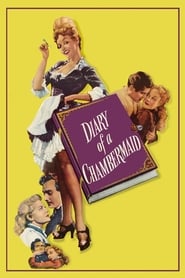
| 1946 | The Diary of a ChambermaidJoseph | |
| 1944 | Voice in the WindJan Volny / El Hombre | |
| 1944 | The Bridge of San Luis ReyEsteban / Manuel | |
| 1941 | Puddin' HeadPrince Karl | |
| 1940 | The Man I MarriedEric Hoffman | |
| 1939 | MidnightJacques Picot | |
| 1939 | Confessions of a Nazi SpyKurt Schneider | |
| 1938 | The Lone Wolf in ParisMichael Lanyard | |
| 1937 | It's All YoursJimmy Barnes | |
| 1937 | Screen Snapshots: Series 16, No. 12Self (uncredited) | |
| 1936 | One Rainy AfternoonPhilippe Martin | |
| 1936 | My American WifeCount Ferdinand von und zu Reidenach | |
| 1935 | The Gay DeceptionSandro | |
| 1935 | Romance in ManhattanKarel Novak | |
| 1935 | Starlit Days at the LidoSelf | |
| 1934 | The Pursuit of HappinessMax Christmann | |
| 1934 | Man of Two WorldsAigo | |
| 1933 | Her Majesty LoveFred von Wellingen | |
| 1931 | The Fate of Renate LangenGerd | |
| 1930 | Susie Cleans UpRobert | |
| 1930 | FundvogelJan Bergwall | |
| 1930 | The Great PassionHimself | |
| 1930 | The Road to DishonourBoris Borrisoff | |
| 1930 | The emperor's detectiveDr. Wolfgang Crusius | |
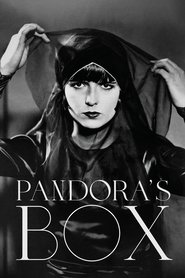
| 1929 | Pandora's BoxAlwa Schön | |
| 1929 | Mother HummingbirdGeorges de Chambry | |
| 1929 | The Wonderful Lies of Nina PetrovnaLt. Michael Rostof | |
| 1929 | MeineidKarl Fenn | |
| 1929 | AtlanticPeter | |
| 1928 | Die seltsame Nacht der Helga WangenWerner Hilsoe | |
| 1928 | RefugeMartin Falkhagen |
| 1958 | 77 Sunset StripDirector |