

Renato Rascel
Known For
Acting
Gender
Male
Birthday
Apr 27, 1912 (114 years old)
Place of Birth
Turin, Piedmont, Italy
Biography
Renato Rascel (stage name of Renato Ranucci; 27 April 1912 – 2 January 1991), was an Italian film actor and singer. He appeared in 50 films between 1942 and 1972. He represented Italy in the Eurovision Song Contest in 1960 with the song "Romantica" which was placed equal eighth out of thirteen entries. He was born to Cesare and Paola Ranucci in Turin. It was in Turin where his parents, who were opera singers, were performing a show at the time Renato could really say that he was born in the back stage of the theater and that's where he spent all of his life. His father tried to make it up to him by having him baptized at Saint Peter's in Rome and apparently it worked because growing up in that neighborhood he ended up singing for the "white voices choir" of Saint Peter with the leadership of composer-conductor Lorenzo Perosi. At the age of 14 Renato started to play drums in ballrooms around Rome. Soon after, he joined the Di Fiorenza Sisters as an actor, dancer and clown and in 1934 he was hired for his first big role by the Schwarts Brothers in the operetta "Al Cavallino bianco". In 1935, he joined Elena Gray for his first foreign tour in Africa. In 1941 he created his own theater company and he began to develop his distinctive kind of humor that in the following years will crown him as the inventor of the "non-sense" with phrases like "two friends that didn't know each other". He decided to make his small size work for him, being only 5'2" tall, one of his major assets becoming known as the "Tiny Italian" (il piccoletto nazionale) and in his show he accentuated his stature by wearing huge extravagant coats, his most famous one had a large pocket on the back. In this time he created some of his most famous characters such as "Napoleon" and "Il Corazziere" (a parody on his size since the Corazziere is a military division that employs only soldiers over 6 feet tall) that brought him to an extraordinary popularity in Italy. In 1942 he shot the first of a long series of films, Pazzo d'amore (Crazy For Love) developing and establishing his very peculiar kind of humor. Among the sixty plus films he worked in, one of the most relevant was Il Cappotto (The Overcoat) by Gogol, winner of the Golden Palm in Cannes. He also had a leading role in The Secret of Santa Vittoria with Anthony Quinn and Anna Magnani, Seven Hills of Rome with Mario Lanza, Questi fantasmi with Eduardo De Filippo and Figaro qua Figaro là with Totò. In 1977, he appeared in the Zeffirelli film Jesus of Nazareth as the blind man. His post second World War success is due mainly to his leading roles in the musicals by Pietro Garinei and Sandro Giovannini. The artistic trio is responsible for the existence of the "musical" in Italy with Attanasio cavallo vanesio in 1952 (featuring the American trio Peters Sisters, Alvaro piuttosto corsaro (1953), Tobia la candida spia (1955), Un paio d'ali (1957), Rascelinaria (1958), Enrico '61 (1961), and also performed for an entire year in London at the Piccadilly Theatre in 1962, along with Il giorno della tartaruga (1965) and Alleluja, brava gente (1970). ... Source: Article "Renato Rascel" from Wikipedia in English, licensed under CC-BY-SA 3.0.
Known For
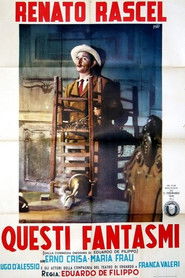
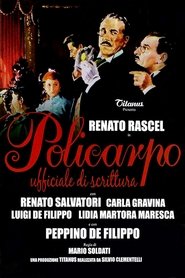
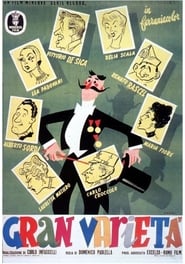
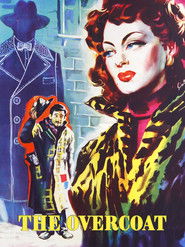
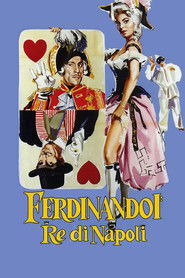
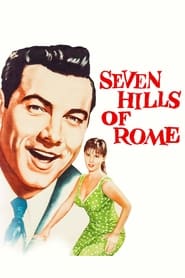
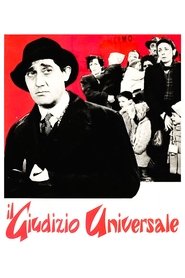
| 1977 | Jesus of NazarethThe Blind Man | |
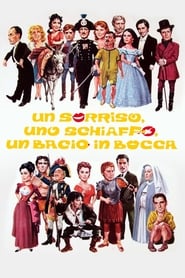
| 1975 | Un sorriso, uno schiaffo, un bacio in bocca(archive footage) | |
| 1972 | PinocchioNarratore (voice) | |
| 1971 | I racconti di padre BrownPadre Brown | |
| 1970 | TransplantDario Barbieri | |
| 1970 | The Secret of Santa VittoriaBabbaluche | |
| 1970 | I racconti di Padre BrownPadre Brown | |
| 1967 | Delirio a dueLui | |
| 1963 | Follie d'estateil sognatore | |
| 1962 | Questi fantasmi | |
| 1961 | The Last JudgmentCoppola | |
| 1961 | Destination FuryRenato Micacci | |
| 1961 | The OrderlyRemigio De Acutis | |
| 1961 | Enrico '61 | |
| 1960 | The BearMedard | |
| 1960 | Il corazziereUrbano Marangoni | |
| 1960 | Little Girls and High FinanceAccountant Paolo Robotti | |
| 1960 | A Soldier and a HalfNicola Carletti | |
| 1959 | Policarpo, ufficiale di scritturaPolicarpo De Tappetti | |
| 1959 | Ferdinand I King of NaplesMimì | |
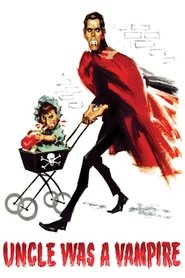
| 1959 | Uncle Was a VampireBaron Osvaldo Lambertenghi | |
| 1958 | Rascel MarineCaporale Ronny Rascel | |
| 1958 | Move and I'll ShootRenato Tuzzi - il professore | |
| 1957 | Oh! SabellaDon Gregorio (uncredited) | |
| 1957 | Seven Hills of RomePepe Bonelli | |
| 1957 | Rascel-FifìRenato / Renatino - il suo figlio | |
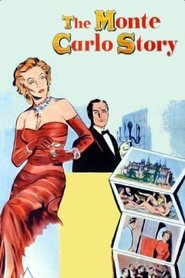
| 1956 | The Monte Carlo StoryDuval | |
| 1956 | I pinguini ci guardano | |
| 1956 | CinépanoramaSelf | |
| 1955 | Variety carousel | |
| 1954 | These PhantomsPasquale Lojacono | |
| 1954 | Gran varietàIl comico | |
| 1954 | Alvaro piuttosto corsaroAlvaro | |
| 1954 | Io sono la Primula RossaSir Archibald | |
| 1954 | Il matrimonioDmitry Marinin, il 'generale' | |
| 1954 | Rosso e neroHimself | |
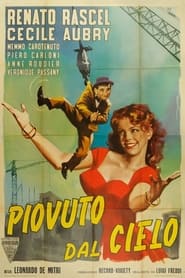
| 1953 | Piovuto dal cieloRenato | |
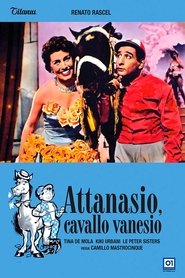
| 1953 | Attanasio cavallo vanesio | |
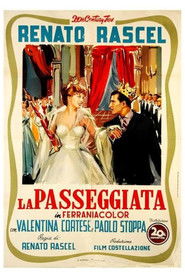
| 1953 | La passeggiataPaolo Barbato | |
| 1953 | Ho scelto l'amoreBoris Popovic | |
| 1952 | The OvercoatCarmine De Carmine | |
| 1952 | Il bandolero stancoPepito | |
| 1952 | L'eroe sono ioRighetto | |
| 1952 | Half a Century of Song | |
| 1951 | Beauties on bicyclesIl figlio del meccanico | |
| 1951 | Io sono il capatazUguccione / Rascelito Villa | |
| 1951 | NapoleoneNapoleone | |
| 1951 | Love I Haven't... But... ButTeodoro | |
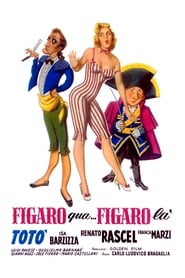
| 1950 | Figaro qua... Figaro làDon Alonzo | |
| 1950 | I'm in the RevueSelf | |
| 1949 | Maracatumba... ma non è una rumba!rag. Filippo De Bellis | |
| 1942 | Pazzo d'amore |
| 1953 | La passeggiataDirector |
| 1959 | Uncle Was a VampireStory | |
| 1953 | Ho scelto l'amoreScreenplay | |
| 1953 | La passeggiataScreenplay | |
| 1952 | Il bandolero stancoWriter |