

Dorothea Wieck
Known For
Acting
Gender
Female
Birthday
Jan 3, 1908 (118 years old)
Place of Birth
Davos, Switzerland
Biography
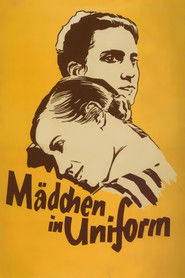
Dorothea Wieck, born Dora Bertha Olavia Wieck (3 January 1908 in Davos, Switzerland – 20 February 1986 in Berlin, West Germany), was a German theatre and film actress. Wieck launched her acting career on stage in 1924 and made her screen debut in German films in 1926, appearing in several silent films. She became widely known through her leading role in the 1931 film Mädchen in Uniform (Girls in Uniform). Her American film debut came in Cradle Song (1933). Wieck appeared in around 50 films and played on the stages of many large theatres, notably at the Deutsches Theater and the Schillertheater, Berlin. She also worked as a theatre director. After World War II, she appeared in films only in supporting roles, and she withdrew from films almost entirely in the early 1960s. In 1973, Wieck received the Film Ribbon in Gold of the Deutscher Filmpreis for long and outstanding achievements in German film.
Known For
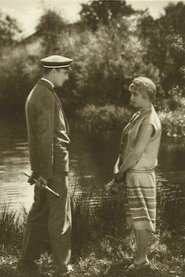
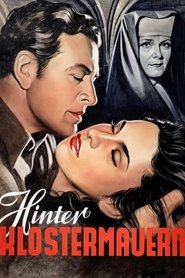
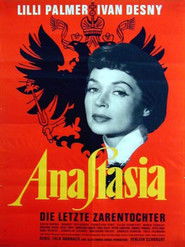
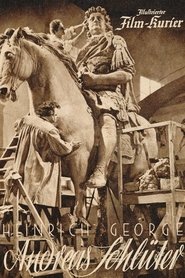
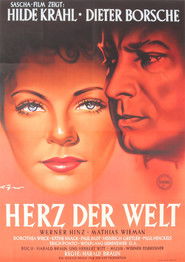

| 1969 | The CommissionerFrau Born | |
| 1969 | The CommissionerIrene Tucha | |
| 1967 | Bäume sterben aufrechtGroßmutter | |
| 1962 | Die Revolution entläßt ihre KinderFrau Leonhard | |
| 1962 | Das Mädchen und der Staatsanwalt | |
| 1960 | BrainwashedCountess (uncredited) | |
| 1960 | Die Nacht in ZaandamMary | |
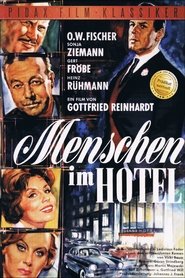
| 1959 | Grand HotelSuzanne | |
| 1959 | Notes from a Gynecologist's DiarySabine Hennemann | |
| 1959 | Morgen wirst Du um mich weinenÄbtissin | |
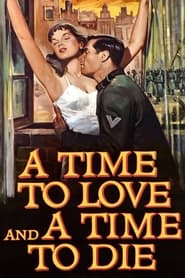
| 1958 | A Time to Love and a Time to DieFrau Lieser | |
| 1958 | Maß für MaßNonne Franziska | |
| 1956 | Anastasia: the Czar's Last DaughterGroßfürstin Olga Romanow | |
| 1955 | Das Forsthaus in TirolDorothee Attinger, Försterwitwe | |
| 1955 | Roman einer SiebzehnjährigenFrau Berndorff | |
| 1955 | Unternehmen Schlafsack | |
| 1955 | The Lady of ScuderiMaintenon | |
| 1954 | Der FroschkönigFürstin Taun | |
| 1954 | Der Mann meines LebensSchwester Brigitte | |
| 1953 | Elephant FuryHella Thiele | |
| 1952 | Behind Monastery WallsSubprioress | |
| 1952 | No Greater LoveTherese von Gobat | |
| 1951 | Das seltsame Leben des Herrn BruggsFräulein Holder | |
| 1951 | German Film AwardSelf | |
| 1950 | City in the FogMrs. Berling | |
| 1949 | Mordprozeß Dr. JordanConstanze Jordan | |
| 1945 | Leb’ wohl, ChristinaJulia von Gallas | |
| 1943 | Inviati specialiLidia Warren | |
| 1942 | Andreas SchlüterKurfürstin Charlotte | |
| 1941 | Kopf hoch, Johannes!Julieta Merck | |
| 1939 | Der Vierte kommt nichtDr. med. Irene Andersen | |
| 1939 | Dein Leben gehört mir | |
| 1937 | The Yellow FlagKrankenschwester Dolores | |
| 1937 | Liebe kann lügenSigrid Mallé | |
| 1936 | Die unmögliche FrauIleana Manescu | |
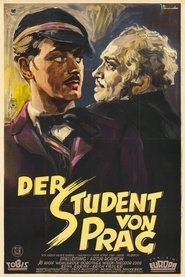
| 1935 | The Student of PragueJulia Stella, Opernsängerin | |
| 1935 | Der stählerne StrahlEnja | |
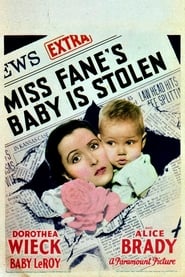
| 1934 | Miss Fane's Baby Is StolenMiss Madeline Fane | |
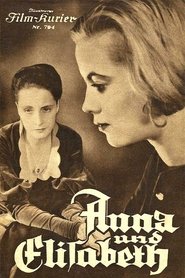
| 1933 | Anna and ElizabethElisabeth, Gutsherrin von Salis | |
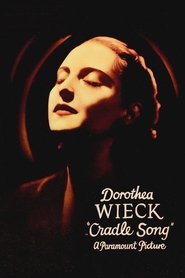
| 1933 | Cradle SongJoanna | |
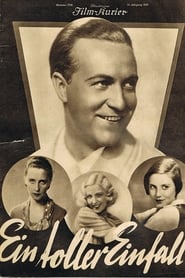
| 1932 | A Mad IdeaMabel Miller | |
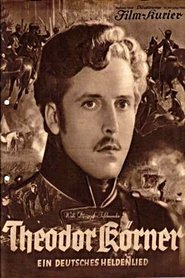
| 1932 | Theodor KörnerToni Adamberger | |
| 1932 | Teilnehmer antwortet nichtDoris | |
| 1932 | Trenck - Der Roman einer großen LiebeAmalie, Prinzessin von Preußen | |
| 1932 | Countess MarizaGräfin Mariza | |
| 1931 | Mädchen in UniformMiss von Bernburg | |
| 1928 | Der FremdenlegionärLore | |
| 1927 | Hast Du geliebt am schönen Rhein?Lieselotte | |
| 1927 | Sturmflut | |
| 1926 | I Lost My Heart in HeidelbergKlärchen |