

Nobuo Nakamura
Known For
Acting
Gender
Male
Birthday
Sep 14, 1908 (118 years old)
Place of Birth
Otaru, Hokkaido, Japan
Biography
Nobuo Nakamura (中村伸郎 Nakamura Nobuo, September 14, 1908–July 5, 1991 ) was a Japanese actor, who made notable appearances in the films of Akira Kurosawa and Yasujiro Ozu in the 1950s and 1960s. Perhaps his most famous roles were those of the callous deputy mayor in Kurosawa's Ikiru (1952), and the hairdresser's henpecked husband in Ozu's Tokyo Story (1953). Nakamura is famous for many notable performances in theatre. In 1937, he founded the Bungakuza company along with Haruko Sugimura, Seiji Miyaguchi, and Masayuki Mori. Nakamura played Polonius in Hamlet, Herod in Wilde's Salome, Aleksandr Vladimirovich Serebryakov in Chekov's Uncle Vanya, and Krapp in Krapp's Last Tape. He also appeared in Macbeth, The Merchant of Venice, and The Cherry Orchard . In the 1950s and 1960s, he played major roles in Yukio Mishima's plays such as Rokumeikan, My Friend Hitler, and so on. In 1963, Nakamura left Bungakuza company and founded the NLT company with Mishima. His most famous and successful role is considered to be The Professor in Ionesco's The Lesson. He performed The Lesson for the first time in 1972 and had played The Professor every Friday night at a small theatre in Shibuya, Tokyo until 1983. Description above from the Wikipedia article Nobuo Nakamura, licensed under CC-BY-SA,full list of contributors on Wikipedia.
Known For


| 1989 | No Life King | |
| 1987 | BU・SUCustomer | |
| 1985 | TampopoOld Gentleman | |
| 1983 | The Tale of Saikaido | |
| 1983 | I Lived, But...Self | |
| 1982 | Kemono Michi | |
| 1980 | The Trading CompanyMikio Hamashima | |
| 1979 | Golden PartnersWatsuji | |
| 1978 | The White Tower東貞蔵 | |
| 1977 | Lullaby to KillHôan Tatara | |
| 1976 | A Portrait of ShunkinHarumatsu(春松検校) | |
| 1975 | The Last Song | |
| 1975 | Tidal WaveJapanese Ambassador | |
| 1973 | Internal Sleuth | |
| 1973 | The Twilight YearsFujieda (attorney at law) | |
| 1973 | Submersion of JapanJapanese Ambassador | |
| 1972 | Cross-Currents | |
| 1971 | 君は海を見たか | |
| 1971 | Maboroshi no Satsui | |
| 1970 | The Creature Called ManHead of N-Bussan | |
| 1970 | The MilitaristsKoichi Kido | |
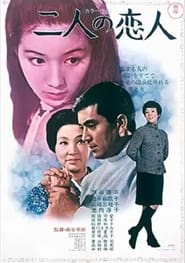
| 1969 | Futari no Koibito | |
| 1969 | Sky Scraper! | |
| 1968 | The Night of the Seagull | |
| 1968 | Five Gents and Karate GrandpaFujikawa (Atlas Motors President) | |
| 1968 | Five Gents and a Chinese MerchantFujikawa | |
| 1968 | Young Guy in Rio | |
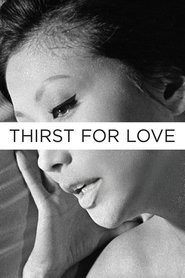
| 1967 | Thirst for LoveFather-in-Law | |
| 1967 | Sodachi zakari | |
| 1967 | Two in the Shadow | |
| 1967 | Japan's Longest DayLord Keeper of the Privy Seal Marquis Koichi Kido | |
| 1966 | The War of the GargantuasProfessor Kita | |
| 1966 | That Complicated Guy | |
| 1966 | Five Gents on the SpotNobuo Tomioka | |
| 1966 | 3 Raccoon DogsRyūtarō Ōsato | |
| 1965 | Frankenstein Conquers the WorldDr. Suga | |
| 1965 | The Radish and the Carrot | |
| 1965 | The White Rose of Hong KongKazumasa Nagahara | |
| 1964 | DogoraDoctor Matakata | |
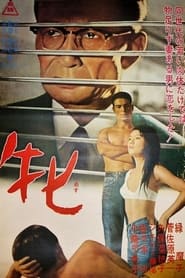
| 1964 | Female | |
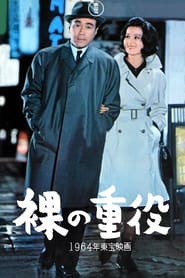
| 1964 | The Naked ExecutiveSerizawa, executive | |
| 1964 | 3 Gents in the Snow Country | |
| 1963 | High and LowIshimaru, National Shoes Design Department Director | |
| 1962 | Whirlpool of Love | |
| 1962 | Mount Hakone | |
| 1962 | A Night to Remember | |
| 1962 | An Autumn AfternoonShuzo Kawai | |
| 1961 | The Last WarChief Cabinet Secretary Fujikawa | |
| 1961 | The Other WomanKimura | |
| 1961 | Okoto and SasukeShunsho Kengyo | |
| 1961 | Blind DevotionWataru Kamogawa | |
| 1961 | City | |
| 1961 | Structure of Hate | |
| 1960 | Late AutumnShuzo Taguchi | |
| 1960 | The Bad Sleep WellLegal Adviser | |
| 1960 | The Twilight Story | |
| 1960 | The Lost AlibiTakeda | |
| 1960 | The False StudentJiro Takagi | |
| 1959 | The Human Condition I: No Greater LoveHonsha Buchô | |
| 1959 | The Cast-OffKuga | |
| 1959 | The Rokumeikan | |
| 1959 | The Beast Shall DieProfessor Sugimura | |
| 1959 | Vagabond Employee: RevengeExecutive Watanabe | |
| 1958 | Little Peach | |
| 1958 | Equinox FlowerToshihiko Kawai | |
| 1958 | The Days of Evil Women | |
| 1958 | Flower's YearningHishikawa Kao | |
| 1957 | Tokyo TwilightSakae Aiba | |
| 1957 | Throne of BloodPhantom samurai | |
| 1957 | Advance Patrol | |
| 1957 | Night Butterflies | |
| 1957 | Half Human: The Story of the Abominable SnowmanProf. Tanaka | |
| 1957 | Secret of Naruto | |
| 1957 | The Shadow Daughter | |
| 1956 | Will-o'-the-Wisp | |
| 1956 | FlowingDoctor | |
| 1956 | Punishment Room | |
| 1956 | Farewell to DreamSeiji's father, Haruo | |
| 1956 | Early SpringArakawa | |
| 1956 | Engagement RingYasuyuki Kawaguchi (Tokio’s father) | |
| 1956 | Gendai no yokubô | |
| 1956 | The Lady Was Pawn | |
| 1955 | Beast Man Snow ManProfessor Koizumi | |
| 1955 | The Romance of Yushima | |
| 1955 | Yukiko | |
| 1955 | I Live in FearPsychologist | |
| 1954 | Itsuko to sono hahaNomura, Chairman | |
| 1954 | Tomoshibi | |
| 1953 | Tokyo StoryKurazo Kaneko | |
| 1953 | Sunflower Girl | |
| 1953 | The Blue Revolution | |
| 1953 | An Inlet of Muddy Water | |
| 1952 | IkiruDeputy Mayor | |
| 1952 | Doctor's Day Off | |
| 1951 | Freedom School | |
| 1946 | A Descendant of Urashima Taro |