

Marianne Hoppe
Known For
Acting
Gender
Female
Birthday
Apr 26, 1909 (117 years old)
Place of Birth
Rostock, Germany
Biography
Born in Rostock, Hoppe became a leading lady of stage and films in Germany. She was born into a wealthy landowning family and was initially privately educated on her father's private estate. Later she attended school in Berlin and in Weimar, where she began to attend theatre.[1] Hoppe first performed at 17 as a member of Berlin's Deutsches Theater under director Max Reinhardt. In 1935 she was hired by the controversial German actor and Director of the Prussian State Theatre under the Third Reich, Gustav Gründgens. They were married from 1936-46, until their divorce. Speaking years after the marriage had ended Hoppe stated, "He was my love, but never my great love, that was work."[1] One of the characters in the film Mephisto was reportedly based on her. Hoppe made no secret of her contacts with the Nazi elite in the 1930s/40s, including being invited to dinner by Hitler.[2] Her role in Der Schimmelreiter (The Rider of the White Horse, 1934) made her famous almost overnight, while her "Aryan" face made her a darling of the Nazi elite.[1] Later Hoppe would label this period of her life as "the black page in my golden book".[1] During her time acting at the home of the Prussian State Theatre, the Schauspielhaus, Hoppe developed her analytical approach to acting, which she stated consisted in her "taking apart every sentence" and giving the use of language a brilliance. This method was to be associated with Hoppe throughout her working life.[1] In 1946 her only child, Benedikt Johann Percy Gründgens, was born. Four years later after her divorce from Gründgens, Hoppe had a great success as Blanche Dubois in Tennessee Williams's A Streetcar Named Desire, and increasingly played avant-garde roles, written by authors such as Heiner Muller (Quartett, 1994) and Thomas Bernhard, who became her partner in private life as well. She became a favourite of the young and iconoclastic directors Claus Peymann, Robert Wilson and Frank Castorf. Hoppe died in Siegsdorf, Bavaria, in 2002 from natural causes, aged 93. "German theater has lost its queen", said Claus Peymann of the Berliner Ensemble, whose theatre featured Hoppe's last performance, in Bertolt Brecht's Resistible Rise of Arturo Ui, in December 1997.[2] In one of her last interviews Hoppe stated, "I have a go at happiness every day. That takes discipline, a virtue every halfway decent actor should have."
Known For


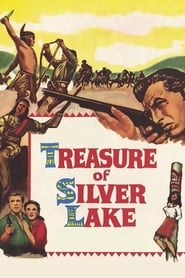


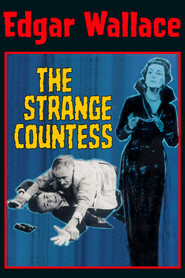

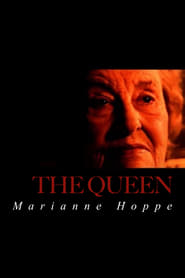
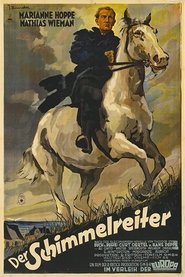
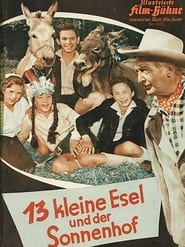
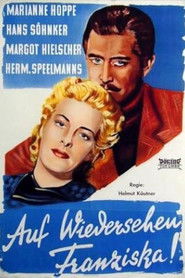
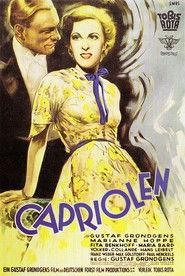
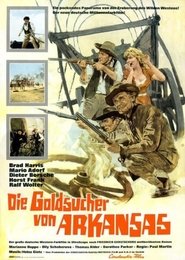
| 2017 | Hitler's HollywoodVarious Roles (archive footage) | |
| 2000 | The Queen – Marianne Hoppe | |
| 1998 | Sabine ChristiansenSelf | |
| 1991 | Der Tod kam als FreundFrau Weinstein | |
| 1991 | Tassilo - Ein Fall für sichMaximiliane | |
| 1990 | Zeil um ZehnSelf | |
| 1989 | HeldenplatzHedwig Schuster | |
| 1989 | Geschichten hinterm Deich | |
| 1989 | Blauer PantherSelf | |
| 1988 | Schloß KönigswaldGräfin Hohenlohe | |
| 1988 | Bei TheaThea Ammer | |
| 1987 | FrancescaHerself | |
| 1986 | ShowgeschichtenSelf | |
| 1986 | Kir RoyalClaire Maetzig | |
| 1984 | Er-Götz-lichesZweite Frau Professor | |
| 1984 | Goldene KameraSelf | |
| 1983 | Marianne and SophieMarianne | |
| 1983 | LeuteSelf | |
| 1981 | Der RichterMutter | |
| 1981 | Die Baronin - Fontane machte sie unsterblichElisabeth v. Ardenne | |
| 1980 | Heut' abendSelf | |
| 1979 | Die MagermilchbandeTante Doda | |
| 1979 | Bavarian Film AwardsSelf | |
| 1979 | Zeugen des JahrhundertsSelf | |
| 1978 | Tod eines VatersMother | |
| 1977 | Der AlteJohanna Martinek | |
| 1977 | Der AlteCharlotte Steinburger | |
| 1975 | Wrong MoveMother | |
| 1975 | HeiratskandidatenTante Thea | |
| 1975 | Im Hause des KommerzienratesPräsidentin | |
| 1974 | 3 nach 9Self | |
| 1970 | Scene of the CrimeWitness | |
| 1969 | Tag für TagMrs. Bryant | |
| 1969 | The CommissionerJohanna Blago | |
| 1969 | The CommissionerLotte Boszilke | |
| 1969 | The CommissionerAmalie Schöndorf | |
| 1969 | The CommissionerCharlotte Echte | |
| 1968 | König Richard IIHerzogin von Gloster | |
| 1967 | Die MissionSelma Selig | |
| 1967 | Andere Zeiten - andere SittenSelf | |
| 1967 | Death Runs After ThemMadame Brassac | |
| 1966 | Briefe nach LuzernMadame Hunter | |
| 1965 | Ten Little IndiansElsa Grohmann | |
| 1965 | Das Leben des Horace A.W. Tabor - Ein Stück aus den Tagen der letzten KönigeAugusta | |
| 1965 | A Winter's TaleDie Zeit | |
| 1964 | Conquerors of ArkansasMrs. Brendel | |
| 1964 | HarlekinadeEdna Selby | |
| 1964 | Die TeilnahmePatricia Taylor | |
| 1964 | Gut gefragt ist halb gewonnenSelf | |
| 1964 | Grimme AwardSelf | |
| 1963 | König ÖdipusIokasta | |
| 1963 | Blick zurück im FilmSelf | |
| 1962 | Treasure of Silver LakeMrs. Butler | |
| 1962 | Der Walzer der TorerosGeneralin | |
| 1962 | Rose BerndHenriette Flamm | |
| 1961 | The Strange CountessMary Pinder, verw. Moron | |
| 1958 | 13 Little Donkeys and the Sun CourtMartha Krapp | |
| 1955 | Was bin ich?Self | |
| 1954 | Der Mann meines LebensHelga Dargatter | |
| 1951 | German Film AwardSelf | |
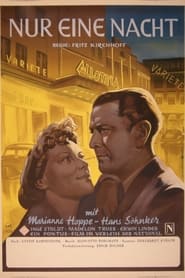
| 1950 | Nur eine Nachtdie Frau | |
| 1949 | Schicksal aus zweiter HandIrene Scholz | |
| 1948 | Das verlorene GesichtJohanna Stegen alias Luscha | |
| 1948 | BambiSelf | |
| 1945 | Das Leben geht weiterLenore Carius | |
| 1944 | Ich brauche DichJulia Bach | |
| 1943 | Romance in a Minor KeyMadeleine | |
| 1942 | Stimme des HerzensFelicitas Iversen | |
| 1941 | Goodbye, FranziskaFranziska Tiemann | |
| 1939 | Kongo-ExpressRenate Brinkmann | |
| 1939 | Der Schritt vom WegeEffi Briest | |
| 1937 | Love in Stunt FlyingMabel Atkinson | |
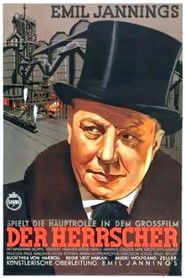
| 1937 | The SovereignInken Peters | |
| 1937 | Gabriele eins, zwei, dreiGabriele Brodersen | |
| 1936 | Eine Frau ohne BedeutungHester | |
| 1936 | When the Cock CrowsMarie | |
| 1935 | Anschlag auf SchwedaRegine Kessler | |
| 1935 | Die Werft zum grauen HechtKäthe Liebenow | |
| 1935 | Alles hört auf mein KommandoHella Bergson | |
| 1935 | Oberwachtmeister SchwenkeMaria Schönborn, Verkäuferin im Blumenhaus Floris | |
| 1934 | The Rider on the White HorseElke Volkerts | |
| 1934 | Black Fighter JohannaJohanna Luerssen | |
| 1934 | Trouble with JolantheAnna | |
| 1933 | Der Judas von TirolJosefa | |
| 1933 | Heideschulmeister Uwe KarstenUrsula Diewen |