

Justus D. Barnes
Known For
Acting
Gender
Male
Birthday
Oct 2, 1862 (164 years old)
Place of Birth
Little Falls, New York, USA
Biography
Justus D. Barnes (October 2, 1862 – February 6, 1946), named George Barnes in some sources, was an American stage and film actor. He is best known for his role in the 1903 silent short The Great Train Robbery, which the American Film Institute and many film historians and critics recognize as the production that first established the Western genre, setting a new "narrative standard" in the motion picture industry. Barnes was born in Little Falls, New York. He was a veteran stage actor before he made his screen debut in 1903 in The Great Train Robbery. In that film's memorable ending, Barnes points his pistol at the camera and slowly fires all six shots at the viewer. The Great Train Robbery became one of the most successful and best known commercial films of the early silent era. In July 1908, Barnes was hired as an actor in the stock company of the Edison Manufacturing Company, the film production company owned by Thomas Edison. In 1910, he signed on with the Thanhouser Company in New Rochelle, New York. Between 1910 and 1917, Justus appeared in more than seventy films for the Thanhouser, usually in the role of a villain. He played Ham Peggotty in David Copperfield, the earliest known film adaption of the 1850 novel by Charles Dickens. He also played supporting roles in Nicholas Nickleby (1912), Aurora Floyd (1912), and A Dog of Flanders (1914). In 1917, he was released from the Thanhouser Company due to the company's financial issues. Barnes made his final onscreen appearance for the Edison Studio in Cy Whittaker's Ward, in 1917. After retiring from acting, Barnes moved to Weedsport, New York, where he worked as a milkman. He later owned a cigar store. Barnes died on February 6, 1946, in Weedsport at the age of 83. He is buried in Weedsport Rural Cemetery, in Weedsport, New York.
Known For

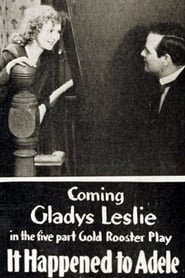
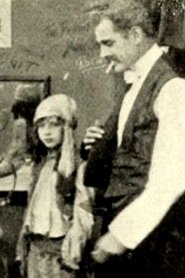

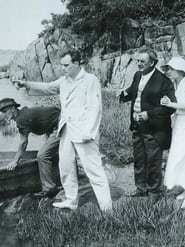

| 1917 | It Happened to AdeleVincent's Uncle | |
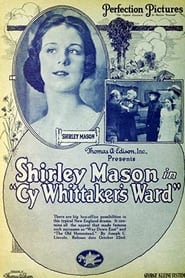
| 1917 | Cy Whittaker's WardSimmons | |
| 1915 | The Heart of the Princess MarsariPaul's Wealthy Uncle | |
| 1915 | From the River's DepthsWilliam Hewins - Dorothy's Father | |
| 1915 | The Marvelous MarathonerEwing Webster | |
| 1915 | Old Jane of the Gaiety | |
| 1915 | Weary Walker's WoesLawyer | |
| 1915 | The Country GirlThe Squire, her Guardian | |
| 1915 | Love and MoneyAmerican Suitor's Father | |
| 1915 | Mr. Meeson's WillMr. Meeson | |
| 1915 | His Two PatientsThe Blacksmith | |
| 1915 | God's WitnessJudge | |
| 1914 | The DancerN.Z. Wood | |
| 1914 | Their Best FriendJack's Father | |
| 1914 | A Dog of FlandersThe Rich Miller | |
| 1914 | Joseph in the Land of Egypt | |
| 1914 | A Debut in the Secret ServiceAbdul | |
| 1913 | The Dove in the Eagle's Nest | |
| 1913 | Peggy's Invitation | |
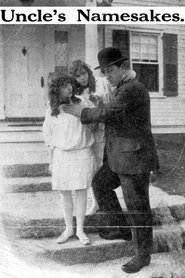
| 1913 | Uncle's Namesakes | |
| 1913 | When the Studio BurnedDirector | |
| 1913 | The Farmer's DaughtersFather | |
| 1912 | CousinsFather on Farm | |
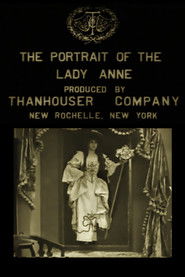
| 1912 | The Portrait of Lady AnneLady Anne's Father in 1770 | |
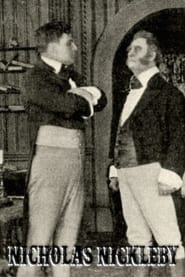
| 1912 | Nicholas NicklebyUncle Ralph | |
| 1912 | Star of BethlehemMage Gaspar | |
| 1912 | The Voice of ConscienceDoctor | |
| 1912 | When a Count CountedW.T. Wilson, Attorney at Law | |
| 1911 | David CopperfieldHam Peggotty (in part one) | |
| 1911 | A Circus StowawayRingmaster | |
| 1910 | Young Lord Stanleythe girl's father | |
| 1903 | The Great Train RobberyBandit Who Fires at Camera (uncredited) |